

Home and Contents Insurance
One of the first things you should think about when considering protection policies is Home and Contents Insurance. You can get insurance for your first tiny rental all the way up to luxury waterside homes.
The most important thing about Home and Contents is that it provides cover for your building, fixtures and fittings. That means all the inside and outside structural elements of your home, should they become damaged in any way.
It also covers any belongings, personal effects and household contents that you choose to include. If you need to, we can often cover items stored in garages, or even things left in your car when you’re on the road.
Home and Contents policies provide cover for costs associated with re-building or repairing damage. That means you can cover the cost of hiring trades to fix problems. You can also choose to add specific cover if your home is at risk from fire, flood or other dangerous weather conditions.
You should always wait until your claim is confirmed before replacing anything non-urgent, but there are things you can get moving with before then.
When something happens to your home that makes it unliveable, phone us immediately. That way we can give you the best advice possible before you take action. The most important thing to do when you need to make a claim but need to fix things NOW is to take photos of the damage and get witnesses.
Things are often handed down through the generations and have great emotional value. Maybe you have bespoke pieces of art or furniture that have been created just for you. It’s very sad to imagine something irreplaceable being damaged, but it is still best to be prepared. At SureInsure we can put you in touch with experts that can provide you with a realistic estimate average value of home contents Australia. That way, even if you lose something you love, you’ll be able to think about a suitable replacement.
Here are a few tips to consider when looking for home and contents insurance
To shop for insurance, start by making a list of all items in your home that need coverage. Then, compare policies from different insurers to find the best coverage for your needs. Consider coverage limits, deductibles, and additional features or benefits offered.
Your excess is the amount you pay out of pocket before insurance coverage begins. Opting for higher excess results in lower premiums but more out-of-pocket expenses if you file a claim. It’s important to consider your finances and the chances of making a claim before deciding on your excess.
Home & contents insurance can include a range of different coverage options, such as natural disaster coverage, liability protection, and personal property coverage. Make sure you understand what each type of coverage entails before choosing a policy.
If you also need auto insurance or other types of coverage, bundling your policies with the same company can often save you money.
It’s important to review your policy regularly to ensure that it still meets your needs especially when there are major changes to the home or the acquisition of new valuable items.
Home & contents insurance can be switched at any time, not just at renewal. This can potentially save money, but some insurers may charge cancellation fees for early termination.
In fact, the most important thing you can do to make sure everything goes back to normal after a domestic disaster is to take photos now. When you take photos, we can make sure that everything is put back just the way you like it.
Remember the items inside your home too. As a result of damage to the outside of your home, things inside will probably also have been damaged.
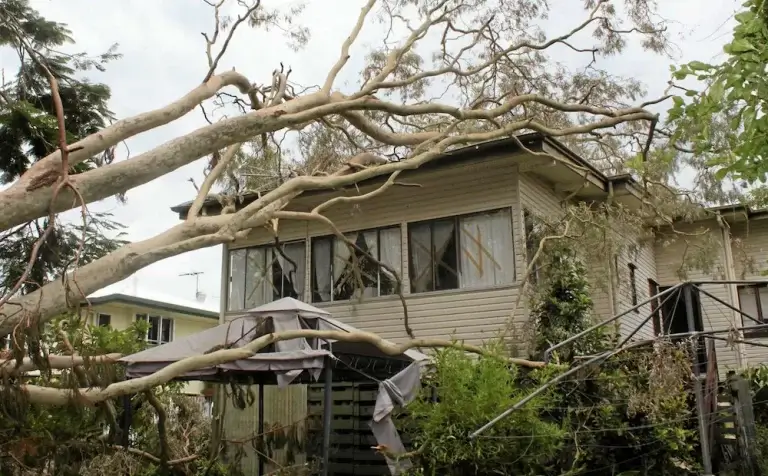

Do you know how much it would cost to replace everything in your home if the worst were to happen? One of the easiest things you can do is to go around your house with a calculator. Add up everything you might need to replace on a Home and Contents Insurance policy claim. It can be surprising just how much you’ve spent on things over your lifetime.
Don’t forget the things you don’t think twice about. Everyone thinks about things like the television or your laptop, but a lot of disruption can be caused by something like your washing machine suddenly breaking down. If there’s a hole in your roof, you might find that there’s suddenly soggy mattresses that need to be replaced or toys that will never be the same again.
Home and contents insurance provides protection for your home, belongings, and family from potential losses due to unexpected events such as fire, theft, or natural disasters. It helps cover the costs of repair or replacement of damaged items and can provide compensation for additional living expenses. It’s an important form of insurance that can help alleviate the financial strain of replacing or repairing items, while also providing peace of mind knowing that your home and possessions are protected. Click here to know more
Home insurance policies cover personal property, liability, medical payments, and loss of use. They protect against damages caused by fire or hail, cover the cost of repairs or rebuilding, replace damaged or stolen belongings, pay for damages you are responsible for on your property, cover medical bills if someone is injured on your property, and provide living expenses if you must leave due to a covered event. Understanding the coverage of your policy can help you prepare for unforeseen damages and financial losses.
Contents insurance protects possessions, including furniture, electrical items, and personal belongings, against events like fire, explosions, floods, theft, and vandalism. It covers the cost of repair or replacement for any accidental damage and should include benefits such as accidental damage cover caused by family members and temporary storage cover. It is important to check the policy to ensure it covers the required risks and offers worldwide coverage.
To find the best home and contents insurance policy, consider coverage, price, deductibles, add-ons, and limitations. Ensure you have enough coverage for your property and possessions, but don’t sacrifice coverage for a lower price tag. Also, consider the deductibles and any additional coverage offered. Be sure to read and understand the policy carefully, including any exclusions or limitations.
When taking out an insurance policy, it’s important to be aware of any excesses that may apply when making a claim. You might have to pay an excess when you make a claim. For example, if your excess is $500 and your claim is $2000, you pay $500 and the insurer pays $1500. Some insurers may offer additional excesses, such as age or occupation excesses, so it’s important to check any additional terms and conditions that come with your policy. Increasing the excess can lead to lower premiums, but it’s important to consider the risks and benefits.